Blood Pressure Calculator
Evaluate cardiovascular classifications, mean arterial pressure, and pulse pressure values based on standardized ACC/AHA hypertension thresholds.
Official Reference Matrix
See how clinical evaluations are classified according to standard medical diagnostic guidelines:
| Category | Systolic Threshold | Logical Operator | Diastolic Threshold |
|---|---|---|---|
| Normal | Less than 120 | AND | Less than 80 |
| Elevated | 120 – 129 | AND | Less than 80 |
| Stage 1 Hypertension | 130 – 139 | OR | 80 – 89 |
| Stage 2 Hypertension | 140 or Higher | OR | 90 or Higher |
| Hypertensive Crisis Range | Higher than 180 | AND/OR | Higher than 120 |
*Source Reference: Aligned strictly with American Heart Association (AHA) and American College of Cardiology (ACC) clinical assessment models.
Blood Pressure Calculator: Track Your Cardiovascular Health Instantly
Monitoring your cardiovascular system is one of the most critical habits you can develop to protect your long-term health. Because hypertension is frequently dubbed a “silent killer,” utilizing a reliable blood pressure calculator provides a vital, immediate window into your arterial wellness. Whether you are managing a pre-existing medical condition or simply aiming to optimize your baseline conditioning, a high-quality blood pressure calculator online eliminates the guesswork out of reading confusing diagnostic numbers.
By inputting your numbers into an online bp calculator, you instantly transform raw numbers into actionable medical data points. This guide explains the underlying formulas behind standard diagnostic frameworks, highlights common measurement mistakes, and shows you how to track your heart health over time.
Table of Contents
What is a Blood Pressure Calculator?
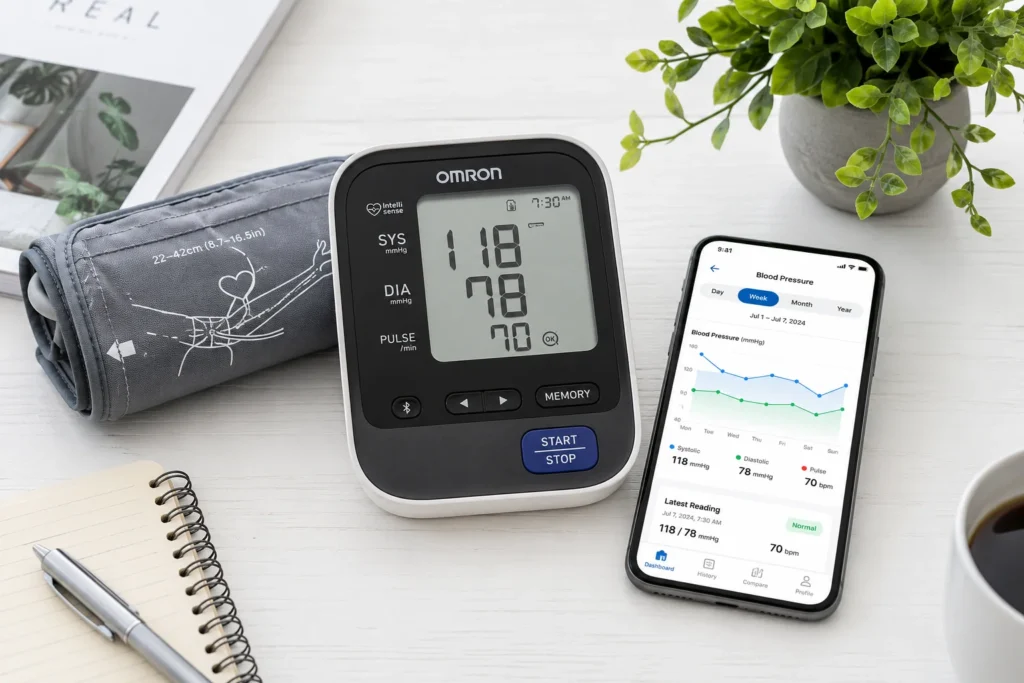
A blood pressure calculator is an automated digital assessment framework configured to interpret systolic and diastolic measurements based on standardized criteria. Instead of manually cross-referencing clinical charts, an online blood pressure calculator automatically classifies your results into distinct risk tiers established by the American Heart Association (AHA) and the American College of Cardiology (ACC).
To use a bp calculator online, you only need two foundational core parameters:
- Systolic Blood Pressure (The Top Number): The maximum peak pressure exerted by your blood stream against internal arterial pathways while the heart actively contracts.
- Diastolic Blood Pressure (The Bottom Number): The residual resting pressure maintained within your vascular network between active heartbeats.
The Core Formulas Behind the Blood Pressure Calculator Online
An advanced blood pressure calculator online provides insights that extend far beyond simply identifying high or low parameters. It simultaneously calculates two complex physiological indicators: Pulse Pressure and Mean Arterial Pressure (MAP).
1. The Pulse Pressure Formula
Pulse pressure reflects the absolute force generated by the heart each time it contracts, providing a helpful indicator of your overall arterial elasticity. It is determined by subtracting the diastolic reading from the systolic value:
$$\text{Pulse Pressure} = \text{Systolic} – \text{Diastolic}$$
A resting pulse pressure persistently greater than $60\text{ mm Hg}$ can signal increased stiffening of the large arteries, particularly in older adults.
2. The Mean Arterial Pressure (MAP) Formula
Mean Arterial Pressure represents the average continuous perfusion strain exerted across your vascular system throughout an entire cardiac cycle. Because the heart spends double the time resting in its diastolic phase, an online bp calculator processes this metric using a specific weighted formula:
$$\text{MAP} = \text{Diastolic} + \left(\frac{\text{Systolic} – \text{Diastolic}}{3}\right)$$
Or written alternatively:
$$\text{MAP} = \frac{\text{Systolic} + (2 \times \text{Diastolic})}{3}$$
A minimum MAP of $60$ to $65\text{ mm Hg}$ is typically required to ensure adequate oxygen and nutrient delivery to vital internal organ systems, including the brain and kidneys.
Clinical Classification Matrix of the Online BP Calculator
When you enter data into an online blood pressure calculator, your numbers are instantly cross-referenced against five distinct medical classification tiers. The diagnostic threshold logic is broken down in the table below:
| Diagnostic Category | Systolic Threshold (mm Hg) | Logical Operator | Diastolic Threshold (mm Hg) | Clinical Status & Action |
| Normal | Less than 120 | AND | Less than 80 | Cardiovascular parameters are within optimal ranges. |
| Elevated | 120 – 129 | AND | Less than 80 | Vascular pressure is rising; lifestyle adjustments advised. |
| Stage 1 Hypertension | 130 – 139 | OR | 80 – 89 | Early cardiovascular risk; diagnostic evaluation required. |
| Stage 2 Hypertension | 140 or Higher | OR | 90 or Higher | Significant arterial tension; medical intervention indicated. |
| Hypertensive Crisis | Higher than 180 | AND/OR | Higher than 120 | Acute cardiovascular risk; seek immediate medical assessment. |
Note: If your systolic and diastolic metrics fall into two separate categories, a premium blood pressure calculator will always default to the higher, more conservative risk classification to ensure maximum user safety.
Avoid These 3 Critical Monitoring Mistakes
To get the most reliable results from an online blood pressure calculator, your input numbers must be highly accurate. Even minor procedural errors during testing can artificially skew your metrics by $10\text{ to }15\text{ mm Hg}$ or more. Be sure to avoid these three common monitoring mistakes:
- Testing Immediately Post-Activity: Evaluating your parameters while experiencing emotional stress, right after working out, or within 30 minutes of consuming caffeine or tobacco can temporarily spike your readings. This can lead to false alarms when you input the data into a bp calculator online.
- Incorrect Arm Positioning: Your tested arm should rest comfortably on a flat surface at exact heart height. Allowing the arm to dangle unsupported or keeping it raised significantly above heart level skews systemic fluid variables, yielding misleading calculations.
- Relying on a Single Reading: An isolated elevated metric does not establish a true clinical trend. For a clearer picture, take two consecutive readings taken a minute apart, and track them across multiple separate days before reaching a conclusion.
Pro Tips for Accurate Tracking
Consistently capturing reliable cardiovascular measurements requires structural precision. Incorporate these three professional tracking techniques before using your favorite online bp calculator:
- Rest Quietly First: Sit still without distractions or conversation for at least 5 minutes before activating your tracking device. This allows your vascular architecture to reach its true baseline equilibrium.
- Verify Your Cuff Size: A blood pressure cuff that is too small can artificially inflate your reading, while an oversized cuff can underestimate it. Ensure the inflatable bladder comfortably covers roughly 80% of your upper arm circumference.
- Maintain a Timestamped Record: Keep a systematic log of your dynamic daily readings. Sharing a clear timeline of your numbers gives your healthcare provider far more valuable context than a single, isolated measurement taken in a stressful clinic environment.
Medical Data Processing vs. FinTech Calculators
Automated digital tools operate on remarkably similar processing principles across different industries. For example, a reliable Auto Loan Calculator extracts precise monthly amortization percentages based on loan principal and interest variables to assess financial health. Similarly, an online blood pressure calculator parses complex systolic, diastolic, and arterial metrics to deliver real-time cardiovascular risk assessments. Both rely on clear data points to help users make informed, data-driven decisions.
Frequently Asked Questions (FAQs):
What is considered a dangerous blood pressure reading?
A reading with a systolic value higher than $180\text{ mm Hg}$ or a diastolic value higher than $120\text{ mm Hg}$ is classified in the Hypertensive Crisis range. If a repeat test after five minutes confirms these numbers, and you experience accompanying symptoms like chest pain or shortness of breath, please seek emergency medical evaluation immediately.
Why did major health organizations lower the threshold limits for high blood pressure?
The ACC and AHA lowered the Stage 1 hypertension threshold to $130/80\text{ mm Hg}$ because long-term clinical data revealed that cardiovascular damage can begin at lower pressure levels than previously recognized. This change allows individuals to make proactive lifestyle modifications well before medication becomes necessary.
Does age alter diagnostic hypertension thresholds?
No, the formal diagnostic categories for high blood pressure remain identical for all adults. However, a blood pressure calculator online may include age selections to offer tailored educational guidance, as healthcare teams often personalize blood pressure targets for seniors based on individual overall health and frailty markers.